Wildfire
Wildfire Resilience
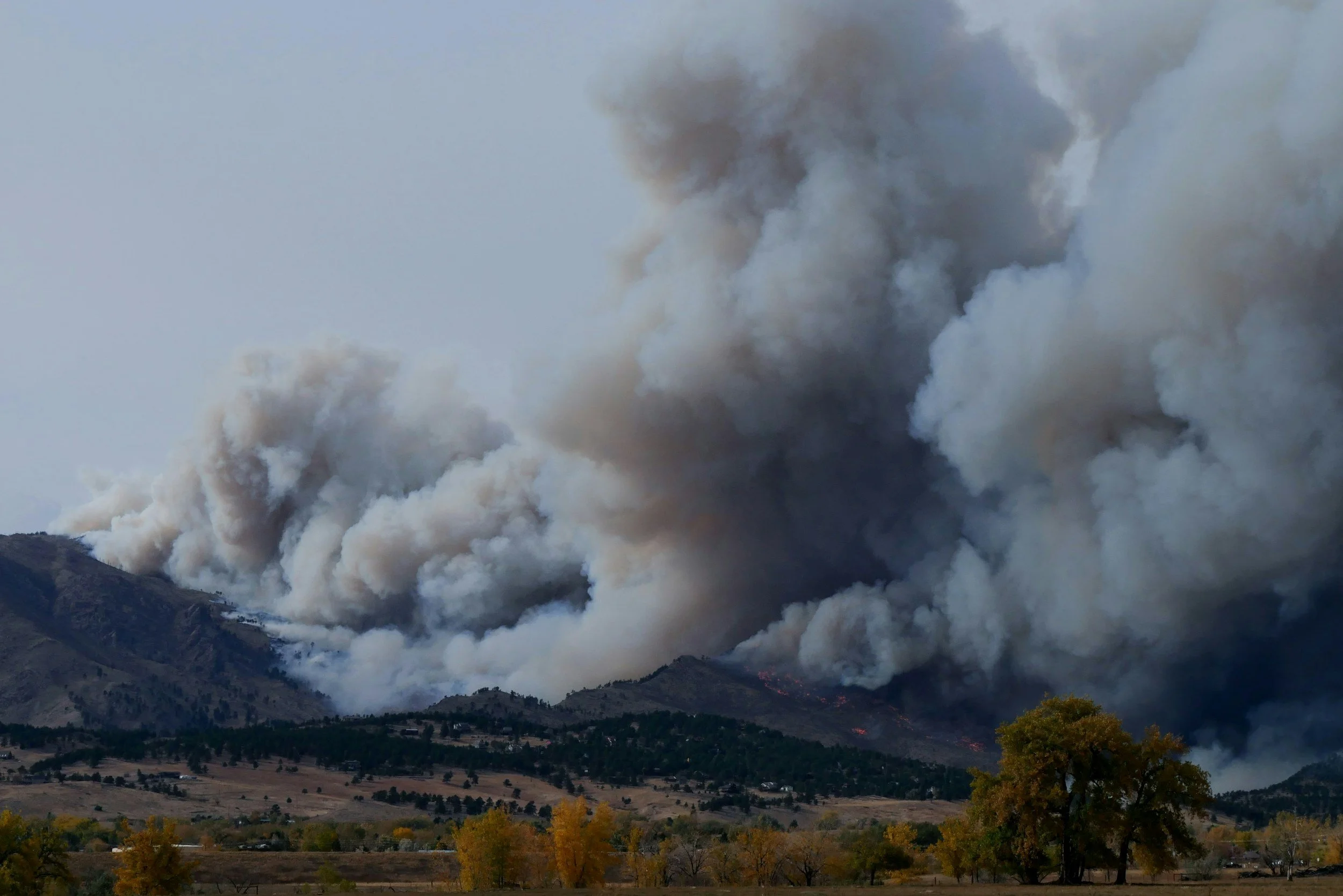
Wildfires are now a defining public-safety challenge for Wasco County. The 2025 Rowena Fire made this clear: thousands evacuated, dozens of structures lost, critical water systems damaged, and entire communities left scrambling for basic needs. The danger doesn’t end when the flames die down, as burned landscapes increase the risk of landslides, debris flows, and water contamination. Families in fire-threatened areas deserve a county that is fully prepared, meaning planning ahead for the next event and proactively working with local agencies.
The guiding question for all policy and investment in this area is straightforward: Does this make people in fire-threatened communities safer? Our work must be proactive, coordinated, and grounded in the lived reality of residents who face wildfire risk every summer.
To meet this public-safety responsibility, I would prioritize four areas of investment and policy:
Water reliability and system hardening. We cannot allow a wildfire to knock out drinking water again. This means hardening pump stations, expanding backup power, protecting source watersheds, and building redundancy so communities are not dependent on emergency donations.
Road access and evacuation readiness. Evacuation routes must be safe, clearly marked, and maintained year-round. We need updated evacuation modeling, better traffic-flow planning for rural areas, and stronger coordination with ODOT, fire districts, and law enforcement so residents can leave quickly and safely when minutes matter.
Emergency communications and community preparedness. Every resident—regardless of cell coverage, language, or location—should receive timely, accurate alerts. This requires investments in multi-channel communication systems, neighborhood-level preparedness programs, and support for volunteer fire and EMS capacity.
Forest and watershed health through collaborative fuel reduction. Long-term resilience requires reducing hazardous fuels and restoring forest and rangeland health. Strengthening partnerships with the Oregon Department of Forestry, the Wasco County Forest Collaborative, and tribal and community partners ensures that science-based treatments protect homes, water resources, recreation, and local economies.
Rural Fire Protection Funding
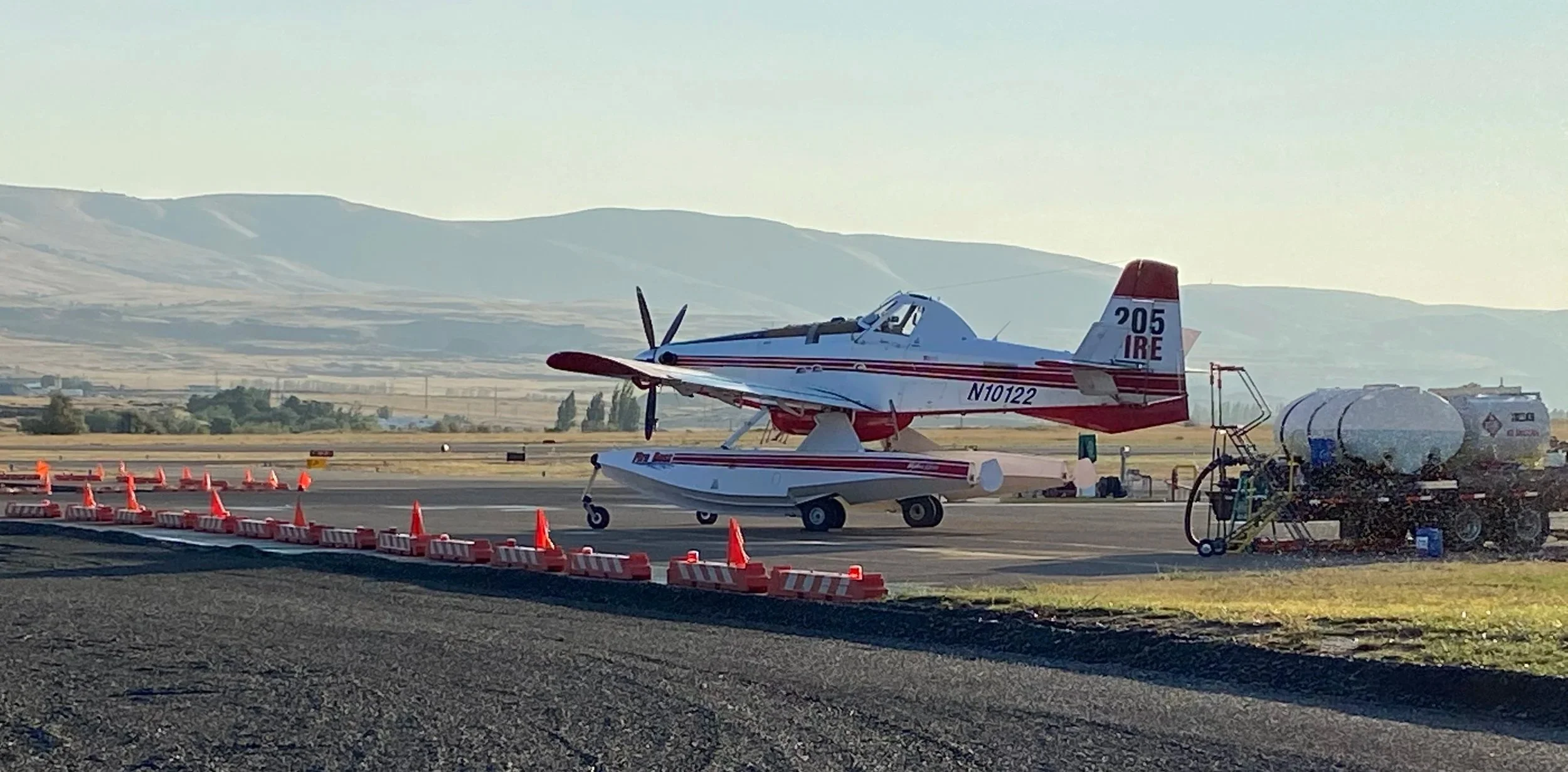
People in remote communities deserve reliable, professional fire and ambulance services, not a system held together by short-term grants and heroic volunteerism. Rural fire districts were created to extend life-saving protection to residents outside city limits and were intended to be funded as essential public safety services. However, the current funding model has not kept pace with the severe wildfire risk we face today. Long-term funding for fire and EMS is not merely a budget issue it is a critical public-safety commitment to the people who live in the most fire-threatened parts of Wasco County.
Stabilizing long-term funding for rural fire districts requires a multi-layered approach:
Strengthen Local, Voter-Approved Funding
Public sentiment is shifting, and residents recognize that strong fire and EMS services are essential. The County should encourage and support districts that seek predictable, sustainable revenue through local, voter-approved funding measures.
Position Wasco County as a Regional Advocate
County Commissioners can play a critical role by bringing rural districts together, identifying shared challenges, and presenting a unified regional case for support. This coordinated advocacy helps districts compete for state and federal investments, strengthens partnerships with agencies like the Oregon State Fire Marshal, and ensures that rural communities are not left behind.
Pair Local Funding with Targeted State and Federal Resources
Grants should supplement stable local funding, not replace it. A stronger local base allows rural districts to strategically use state and federal grant dollars for essential equipment upgrades, training, and wildfire-specific needs.
Support Volunteer Recruitment and Retention
Even with better funding, rural districts will continue to rely on volunteers. Stabilizing funding must include dedicated investments in training, stipends, and support systems that make volunteering a sustainable choice for community members.